
ISBNs: The Key to Owning Your Book Data
Don't give the keys to your book data to other companies.

If you’re self-publishing and you want to publish professionally, you’ll need to purchase a set of ISBNs—those unique identifiers that allow stores, libraries, and distribution systems to track and order your book. Many publishing platforms offer free ISBNs, and that sounds appealing. But free comes with a high cost: you won’t be the publisher of record, which limits your control and your distribution options.
Here’s why it’s worth purchasing your own ISBNs, where to buy them, and how to to assign them.

In this post:
But first, what is an ISBN?
Where to purchase your ISBNs
ISBNs and your publisher imprint
Book titles vs book formats
Assign ISBNs to book formats, not to stores
Don’t kill your chances for a bestseller
The key word is “professionalism”
And remember, bookstores don’t like Amazon
Sales to the library market is a thing
A test for your publishing professional
Future-proof your book
Don’t get trapped with a vanity press
How to change your ISBN
The bottom line
But first, what is an ISBN?
An ISBN is an International Standard Book Number (identifier) and you need to purchase them in the country where you do business. In the US, Australia, UK, and other countries, we buy purchase them from Bowker, which is owned by ProQuest, a private company. In Canada and other countries, ISBNs may be issued by government funded entities like libraries, so they’re free (thanks to taxpayer dollars).
Only purchase ISBNs from the ISBN agency that operates in the country you do business in and not from a reseller who may sell you cheaper ISBNs. Find your ISBN agency at the International ISBN Agency website.
Again, the I in ISBN stands for “International”—which means readers and everyone in the book industry around the world can find it.
ISBN =INTERNATIONAL STANDARD BOOK NUMBER
This is the number that’s printed in the barcode for your print formats.
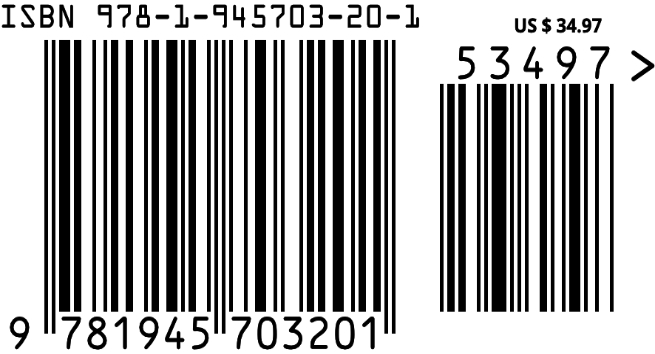
Where to purchase your ISBNs
In the US, the one and only official registrar for ISBNs is Bowker. Sign up for an account at the Bowker My Identifiers site and purchase 10 ISBNs for $295, or 100 for $575, or even more. The more you buy, the cheaper they are. Not in the US? Find your official ISBN registrar in your country here.
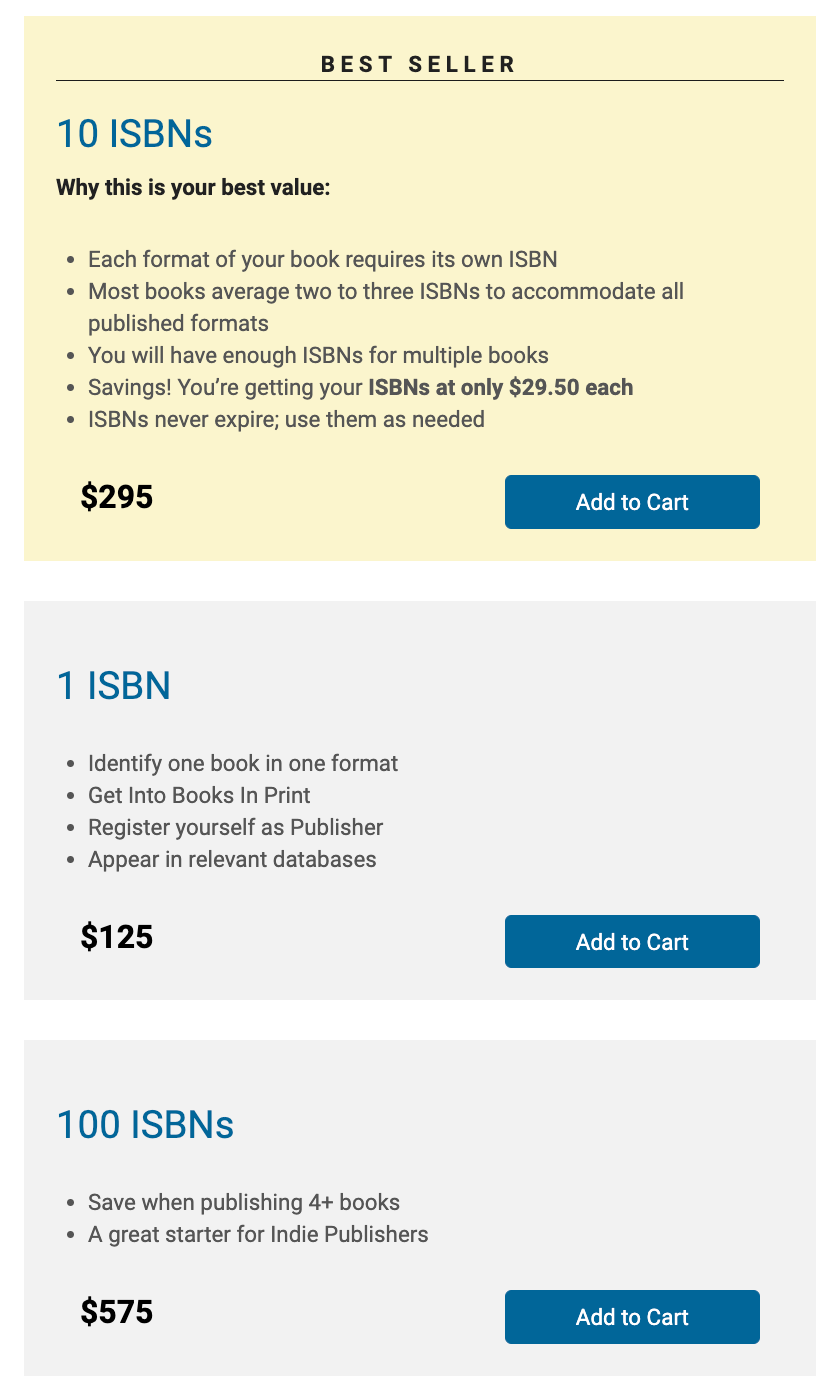
Because Bowker is a private company, they will upsell you on products like barcodes and QR codes that you can easily get for free. They also offer self-publishing solutions, but these are not a one-size-fits all. For example, Bowker in the US has partnered with StreetLib as a self-publishing solution. StreetLib is a good company but not the most popular choice here for many reasons. Most US authors choose to distribute directly with IngramSpark or use Draft2Digital (which, like Publish Drive and StreetLib, use the Ingram distribution network and add their own sales channels). So, do your due diligence and resist buying other products without investigation and comparison.
Purchasing a packet of 10 or more ISBNs gets you a PUBLISHER NUMBER. Purchasing just one marks you as a self-published author but purchasing 10 or more allows you to register a Library of Congress Control Number (LCCN) which could be important for your book, depending on the genre you write in.
I cover distribution choices and the library market in detail in my Publishing Workbook for Independent Authors.
ISBNs and your publisher imprint
Consider purchasing your ISBNs under a business name, which is fairly easy to create, and formalizes your business and publisher name (imprint). You don’t really need to start a business, but I advise authors on the path to professional publishing to do so.
One advantage of creating a business and obtaining a business tax ID is that you can more easily record tax write-offs. Another is to protect your personal tax ID.
In the US, you can obtain a tax ID for free (EIN) in your own name or in a company name and use it instead of your social security number.
You can invent a name for your imprints as long as you’re not infringing on anybody’s trademark or copyright, but consider formalizing it by creating a LLC, instead.
Book titles vs book formats
Book titles cannot be copyrighted, so the ISBN is the only way the industry can track your book. When you assign only one ISBN for the paperback, the industry can track how many paperbacks are sold. Ditto for the ebook, the hardcover, the large format edition, the Spanish-language paperback, and so on.
The purpose of the ISBN is to identify one specific version (format) of a book. Think of it as a product number for your book.
Remember, ISBNs are not at all related to the stores you publish in. For comparison, think about the shoes you’re wearing. The product number of the particular color and size of that shoe is the same whether you buy it in Nordstroms, Zappos, or your local shoe store. There is a different product number for each iteration of the shoe. Red in size 8. Red in size 9. Black in size 8, and so on. That’s how the wholesaler knows exactly how many shoes of each type (color, size) has been sold.
Similarly, the product number of a book—the ISBN—allows the book industry to accurately track all sales of a particular format.
It doesn’t matter where you sell or how you distribute your books—it’s the format that counts.
Paperback: Your paperback edition needs its own ISBN no matter where you want to sell it. Uploading directly for sale via Amazon KDP? Using Draft2Digital to distribute your paperback? Use the same ISBN. But oops, if you used a free ISBN from Amazon... well, that was a mistake, because you can only use the Amazon ISBN to sell in the Amazon store and not to other stores, and now you have two identifiers for the same book.
Hardcover: No matter where you print and distribute your hardcover book—if you create one—you’ll use the same ISBN for that, too. (IngramSpark is currently the only POD service that can create and sell your hardcover book. Why create one? Special events, maybe? And libraries love them because they’re durable. If you create a special edition hardcover with foil lettering and endpapers at BookVault or another company, that edition should get its own ISBN, too.
Large Format: For the visually impaired. Aging Boomers! A large format book is easy to produce. Just enlarge your paperback or hardback edition. With POD, your only investment is in the design adjustments. Yes, a separate ISBN is required.
Audiobook: Yep, a different ISBN gets assigned to the audio edition of your book, too. I recommend going wide with your audiobook by distributing via Spotify and INaudio instead of Amazon ACX.
Translations: Repeat the above for every foreign language translation. You’ll need a new ISBN to identify your Spanish language paperback, your German language paperback, your French language paperback. Your Spanish language EPUB, your German language EPUB, your French language EPUB... are you getting it? These require additional ISBNs for each format. If you plan to translate, consider purchasing 100, 500, or more ISBNs, instead of just 10.
Don’t kill your chances for a bestseller
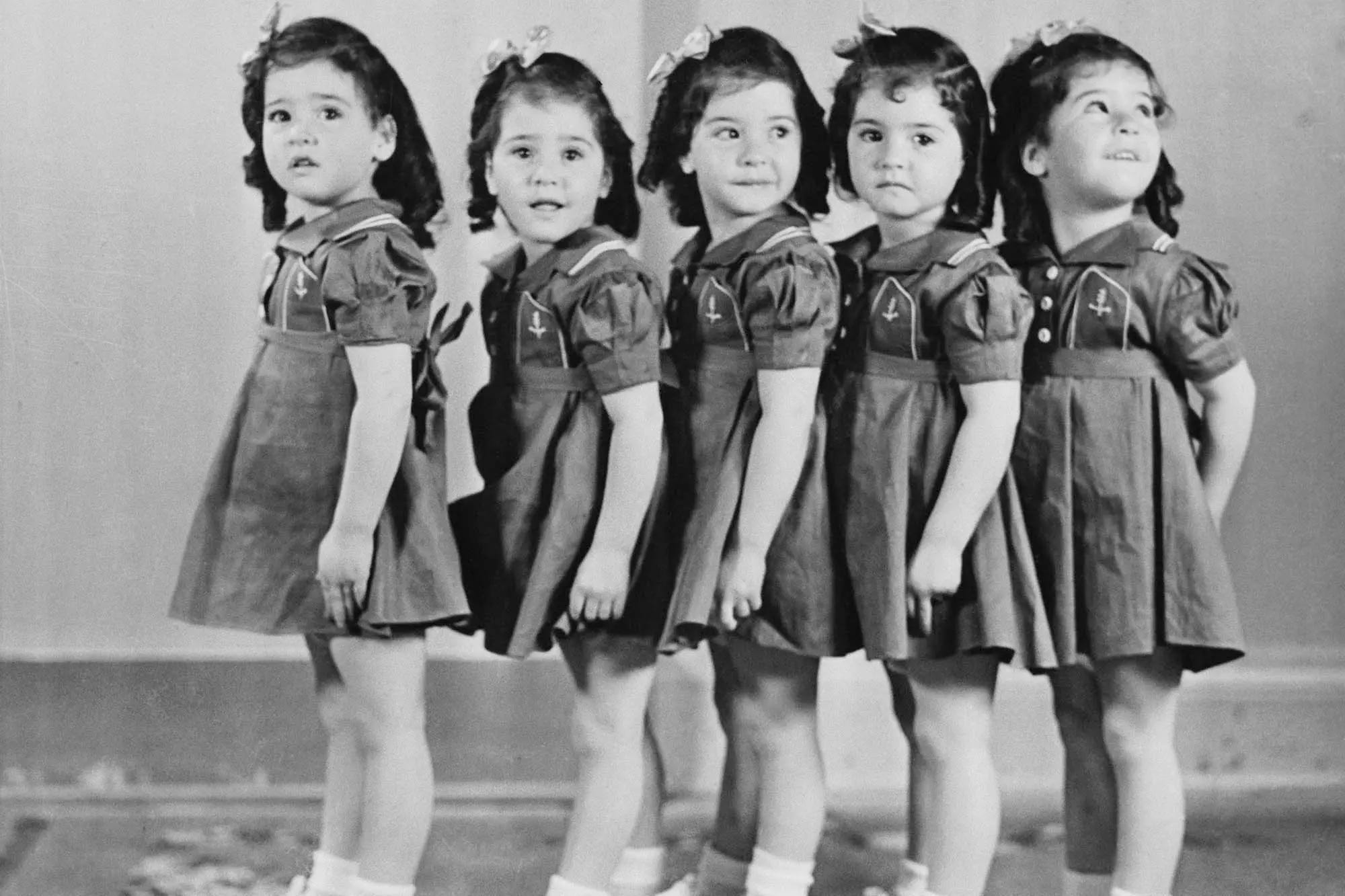
I’ve worked with authors with books that could have been acknowledged as bestsellers. Unfortunately they used the free ISBN from Amazon, so the book industry could not see the aggregated sales for that book when the author distributed to other stores with an IngramSpark ISBN. One ISBN=one book. What they had were clones. Same DNA, same title, same format, different tracking numbers.
The key word is “professionalism”
If you care about how the industry views you as an author and a publisher your book should look like a book that’s been published by a traditional publishing company. So purchase your ISBNs under your own publisher name, get professional cover and interior design, a PCIP block and, when you get a barcode for your print editions, make sure to embed the price in it. For details, see the IBPA’s Industry Standards Checklist for a Professionally Published Book.
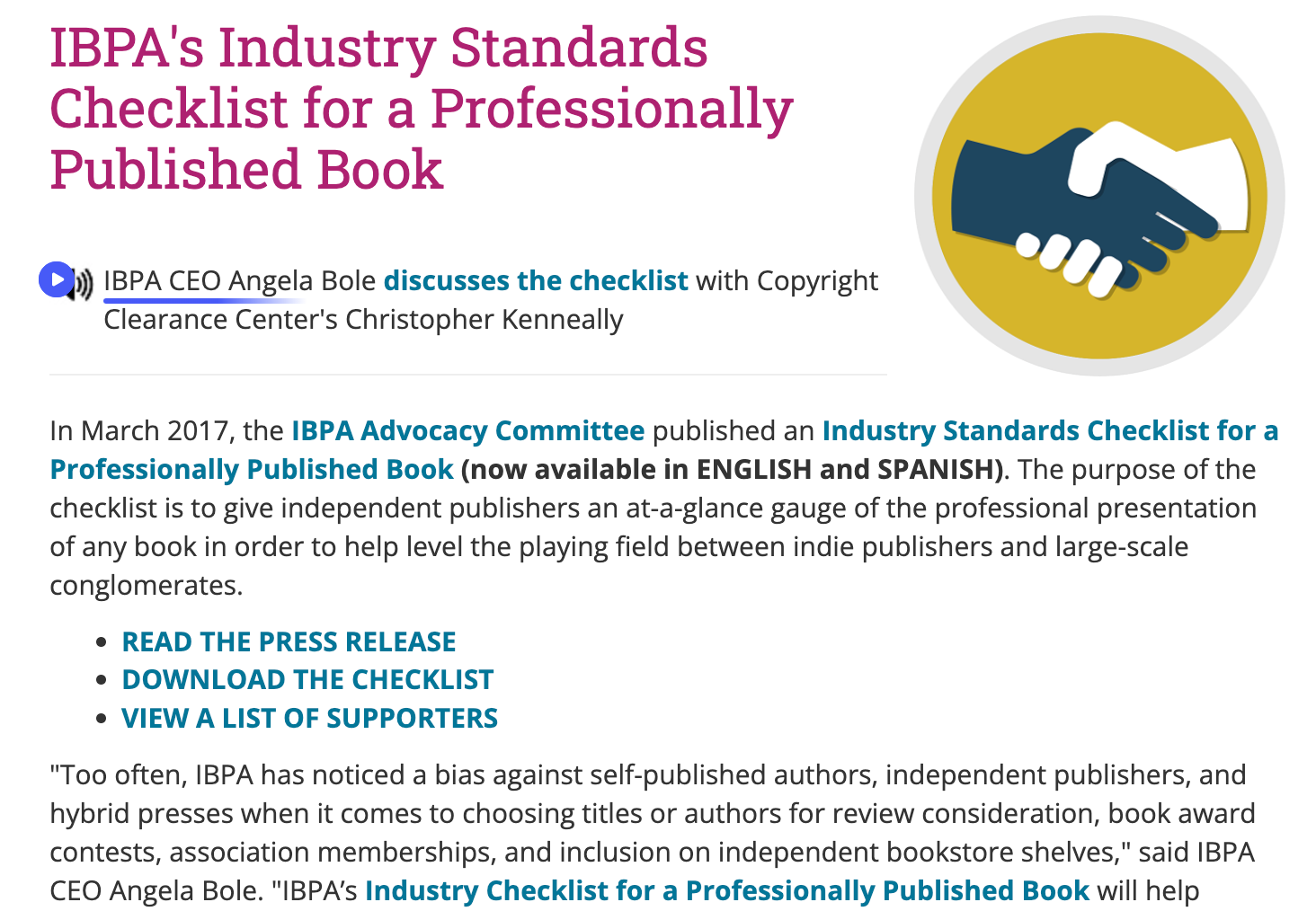
And remember, bookstores don’t like Amazon
You need to make friends with your local independent bookstore. Want to do a reading there? They are not going to buy books from Amazon. Make sure your book is available on the Ingram network by distributing with IngramSpark or a distribution company that uses the Ingram network.
Sales to the library market is a thing
Lots of authors make money from library sales. In the US, authors can obtain a Library of Congress Control Number (LCCN) and even add a PCIP (Publishers Cataloging in Publication) to make their book attractive to libraries. You need to own your ISBNs to get a PCIP block. (This must be done BEFORE publication.)
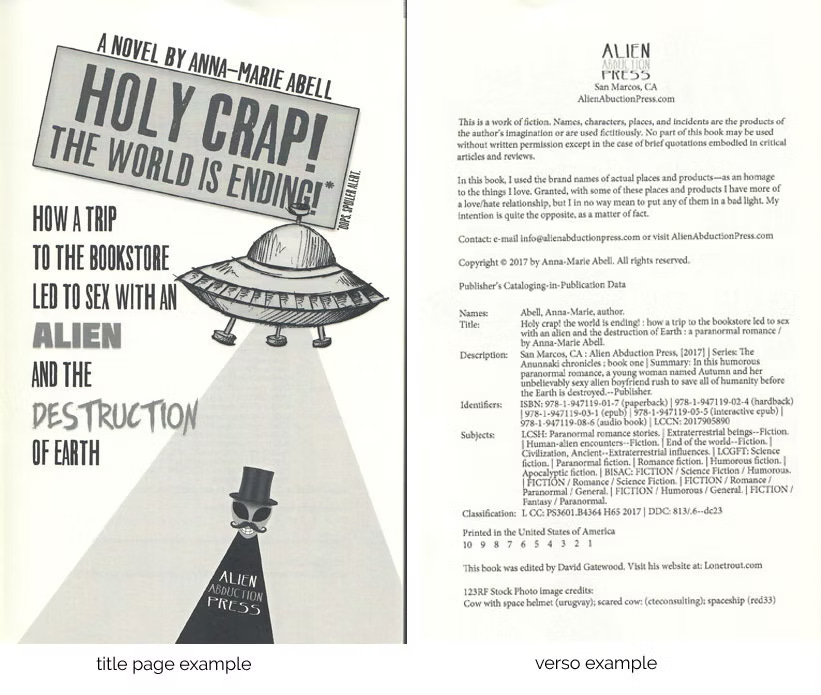
Your PCIP block is listed on your copyright page and, like the old Dewey Decimal system, it gives librarians the information they need to shelve your book.
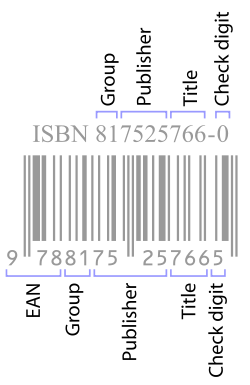
How to get a PCIP Block? First, you need to register with the Library of Congress PCN program to obtain an LCCN.
Once you purchase your block of ISBNs, you’ll see each number has the same publisher ID, as shown above.
Again, publisher IDs are only embedded in your ISBNs when you purchase a set of 10 or more, which identifies you as a publisher.
You’ll be asked for your publisher number when you apply for your Library of Congress Control Number (LCCN).
A test for your publishing professional
Authors! If you’re going to hire a publishing pro, ask them about ISBNs, LCCNs, and the PCN program for PCIP blocks. This is a GREAT test question to see if they know what they’re talking about. If they don’t…move on.
Future-proof your book
What if, in the future, you want to partner with a small press or make some kind of hybrid publishing deal, or get an offer from a Big 5 publishing house?
These professionals will evaluate how easy (or how difficult) it will be to get your book on over to their catalog. Authors who use free ISBNs with Amazon have a difficult-to-impossible time transferring their book data to another publisher. If you own it, you can easily make changes. For example, you can retire your book record and forward it over to the new publisher.
Self-publishing services who provide free ISBNs (Amazon KDP and distribution services) will not help you to move that free ISBN over to your publishing company. So you may have a much longer period of transition where the “old” version of your book is out of print and the industry does not know that it’s available under a new ISBN.
You’ll never be trapped with a vanity press
Again, a “free” ISBN is never really free. I’ve helped many authors extricate themselves from vanity presses who own their book data, to take back their freedom to choose where they will publish their book.
Among those named in Writer Beware, a watchdog list, are all of the Author Solutions companies (Xlibris, iUniverse, Author House, Balboa, to name a few), Outskirts Press, Tate Publishing, and so many more.
Ethical self-publishing companies will always allow you to apply your own ISBNs. Unethical self-publishing companies often force you to accept them as the publisher.
Check out my interview with Victoria Strauss in the podcast I used to run for the NFAA. Victoria is founder of Writer Beware, hosted at the Science Fiction & Fantasy Writers Association website. In this 30-minute interview we expose the many ways writers can fall into the hands of unscrupulous services.
How to change an ISBN you don’t own
You cannot change an ISBN you don’t own, or even an ISBN you do own. But you can retire an ISBN, assign a new one, and indicate on the new ISBN record that it replaces the old ISBN. Here are two possible solutions:
Keep the Amazon KDP ISBN and assign your own ISBN to the format being distributed widely. This results in two ISBNs for one format, but if you’re experience decent sales and have accrued reviews, this is probably your best option.
Unpublish your book on Amazon KDP and create a new edition with your own ISBN. In the ISBN record, there is a place to specify if the ISBN replaces a different ISBN. You can enter the Amazon ISBN here. Then publish the new edition on Amazon. If you book is not experiencing many sales this can be the best solution, but if you’ve got a bestseller on your hands, it’s probably best to stick with solution 2.
The bottom line
Purchasing your own ISBNs is one of the smartest investments you’ll make as a self-published author. Yes, it costs money—$575 for 100 ISBNs in the US—but that investment buys you control, professionalism, and freedom. You’ll own your book data, maintain flexibility for future opportunities, and ensure your sales are accurately tracked across all platforms.
Free ISBNs might seem like a good deal, but they come with strings attached that can limit your distribution, complicate your sales tracking, and make it nearly impossible to move your book if you ever want to work with a traditional publisher or switch platforms.
If you’re serious about building a sustainable author career, treat your publishing business like a business. Purchase your ISBNs, register your book with the Library of Congress, and set yourself up for long-term success. Your future self will thank you.